

- Mon - Sat : 10am - 2pm to 3pm - 6pm

Skin Hyperpigmentation Treatment in Siliguri: Complete Guide to Hyperpigmentation Treatment for Face
What Is Skin Hyperpigmentation? (And Why It Happens)
Skin hyperpigmentation is one of the most common skin concerns in India, and one of the most misunderstood. It appears as dark patches, uneven tone, or stubborn spots that don’t fade on their own.
Many people searching for treatment for skin hyperpigmentation are looking for safe and effective ways to reduce dark spots, uneven skin tone, melasma, and acne marks. The right treatment depends on the depth of pigmentation and the underlying cause.
What makes skin hyperpigmentation tricky to treat is its depth. Some pigmentation is epidermal (surface level) and responds quickly to the right skincare. Other forms, especially Melasma and old acne scars, are dermal (deeper) and require professional skin hyperpigmentation treatment to truly fade.
Hyperpigmentation happens when certain areas of the skin overproduce melanin, the pigment that gives skin its colour. This overproduction can be triggered by:
- Sun damage (UV-induced hyperpigmentation) — the most common cause
- Post-acne dark marks (Post-Inflammatory Hyperpigmentation or PIH)
- Hormonal pigmentation (Melasma) — worsened during pregnancy or with oral contraceptives.
- Friction, injury, or repeated skin inflammation
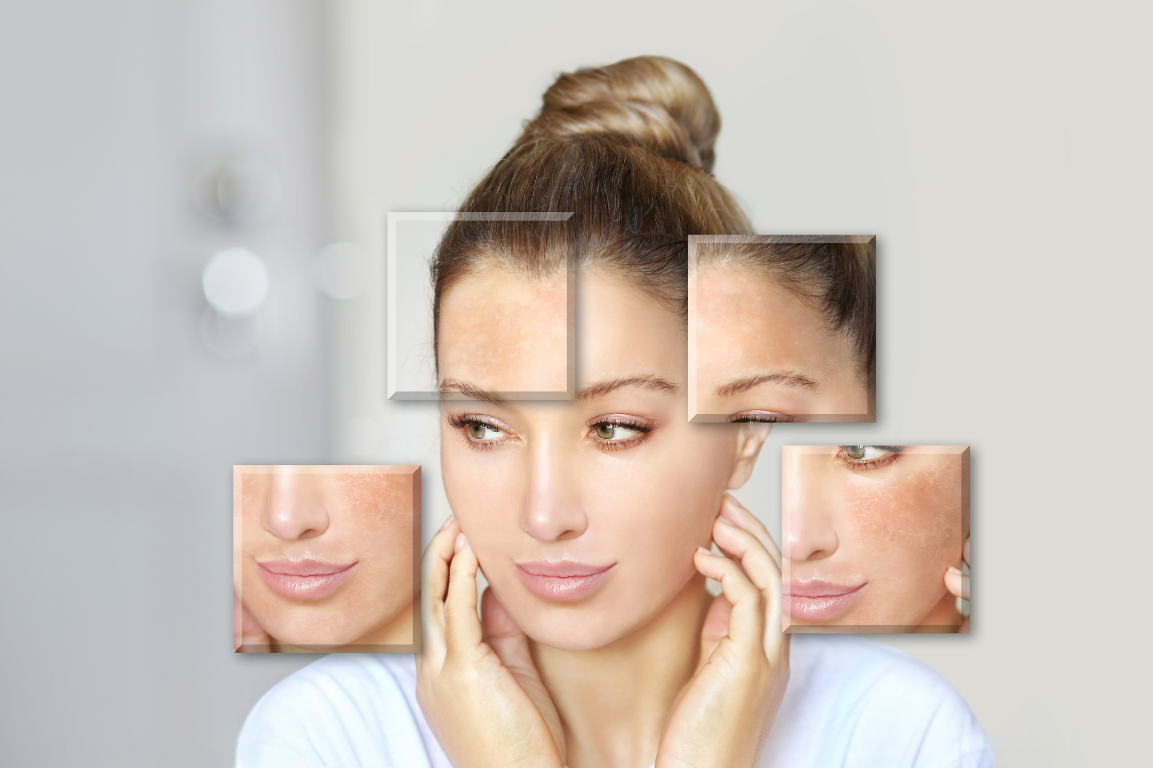
Best Hyperpigmentation Treatment for Face
Facial hyperpigmentation is one of the most common skin concerns among men and women in Siliguri. The best hyperpigmentation treatment for face depends on the depth of pigmentation, skin type, and underlying cause. Mild facial pigmentation may improve with sunscreen, Vitamin C, and Niacinamide, while deeper pigmentation often requires dermatologist-supervised treatments.
Why Pigmentation Happens in the First Place ?
Pigmentation develops when specific areas of the skin produce more melanin than the surrounding tissue. This can be triggered by:
- Sun exposure (UV damage)
- Post-acne marks (PIH)
- Hormonal changes (Pregnancy or medication)
- Friction or previous injury
What makes it tricky is that two similar-looking patches may not have the same depth. Some sit on the surface (epidermal) and fade quickly. Others settle deeper (dermal), making them harder to treat. This difference decides whether a simple routine will help or if you need a specialized pigmentation treatment.
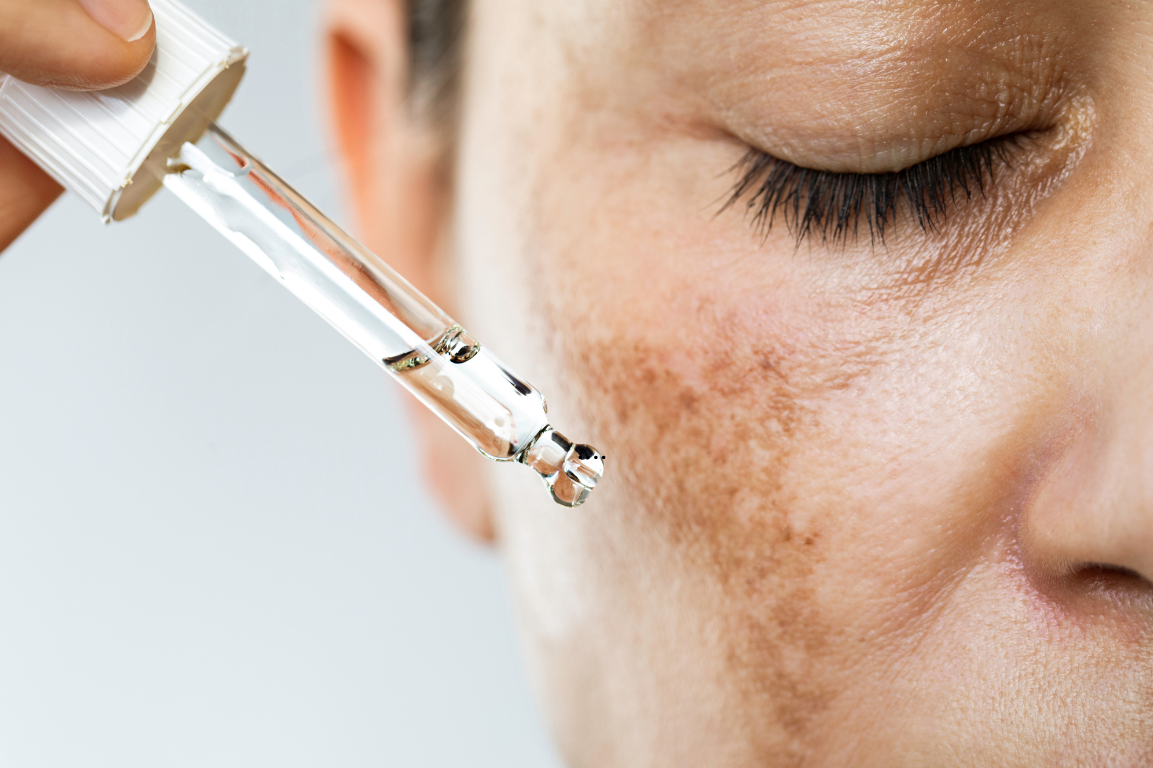
Best Treatment for Skin Hyperpigmentation
The best treatment for skin hyperpigmentation depends on whether the pigmentation is superficial or deep. Mild pigmentation may improve with sunscreen, Vitamin C, Niacinamide, and Azelaic Acid, while deeper pigmentation often requires dermatologist-guided treatments such as chemical peels, microneedling, or laser therapy.
Pigmentation Treatment at Home: What Actually Works?
If your dark spots are new, light, or mostly left over from acne, starting with a good home routine is a smart move. A consistent pigmentation treatment at home requires patience and the right products. You need to focus on two simple steps: stopping new dark spots from forming and fading the ones you already have.
The Three Must-Do Steps for Home Care :
- Strict Sun Protection (The Shield): Sunscreen is your most important product. Use SPF 30 or higher every day. Without it, the sun will instantly create new dark spots, cancelling out all your hard work.
- Brightening Ingredients (The Faders): These are ingredients that block the skin’s production of dark color (melanin).
- Gentle Exfoliation (The Shedders): These ingredients help your skin quickly shed the top layer that holds the accumulated dark spots.
Hyperpigmentation Solution at Home: What Actually Works
If your dark spots are recent, mild, or caused by acne, a consistent home routine can deliver a real hyperpigmentation solution, but only with the right ingredients and strict sun protection.
The 3-Step Foundation for Any Hyperpigmentation Solution
1. Daily SPF: Your Most Important Step No hyperpigmentation solution works without sunscreen. UV exposure instantly triggers new melanin production, undoing weeks of treatment. Use SPF 30 or higher every morning, rain or shine.
2. Brightening Actives: Targeting Melanin at the Source. These ingredients slow down or block melanin production in the skin:
- Vitamin C (L-Ascorbic Acid): Protects against UV-induced damage, brightens overall skin tone, and helps fade mild post-acne marks. Apply in the morning before sunscreen.
- Niacinamide (Vitamin B3, 5–10%): Doesn’t stop melanin production but prevents it from reaching the skin’s surface. Calms redness, evens tone, and pairs well with other actives.
- Azelaic Acid: Targets overactive pigment-producing cells. Excellent for acne-related hyperpigmentation and sensitive skin that can’t tolerate stronger acids.
- Retinoids (Retinol): Speeds up cell turnover, pushing pigmented cells out faster. Best used at night. Start slowly and always follow with SPF the next morning.
3. Gentle Exfoliation: Clearing Away the Dark Layer. Chemical exfoliants like AHAs (glycolic acid, lactic acid) help shed pigmented surface cells faster. Avoid harsh physical scrubs: these cause inflammation and can worsen pigmentation.
Where Home Care Has Limits
Home routines work well for surface-level, recent pigmentation. But for Melasma, deep dermal pigmentation, or spots that haven’t shifted after 8–12 weeks of consistent effort, you need medical skin hyperpigmentation treatment. Home products simply cannot penetrate deep enough on their own.
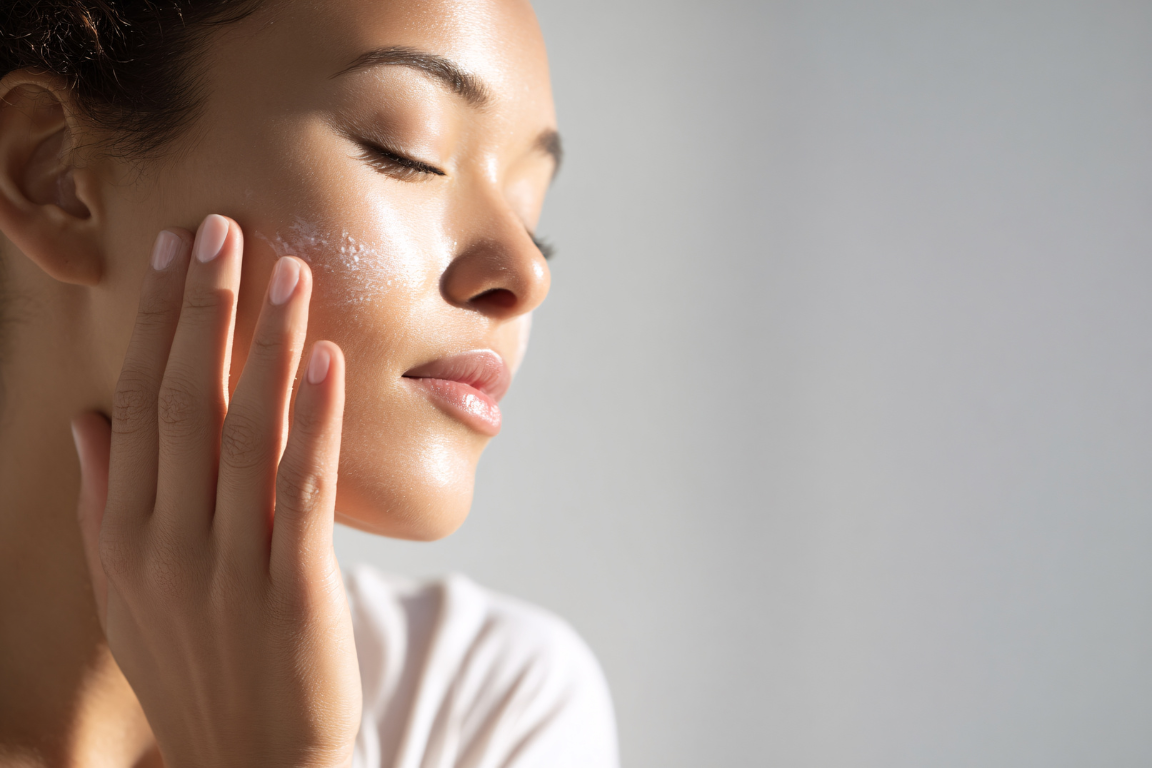
Specific Ingredients to Look for in Your Products
1. Vitamin C – The Brightening Booster
- How it Works: It is a strong ingredient that protects skin from environmental damage and directly helps slow down the process that makes pigment darker.
- Best For: Making your skin look generally brighter, fixing mild sun damage, and fading mild marks after acne.
- Tip: Use a Vitamin C serum every morning before applying your sunscreen.
2. Niacinamide (Vitamin B3) – The Transfer Blocker
- How it Works: Niacinamide is great because it doesn’t stop the pigment from being made, but it stops the dark pigment from moving into the visible surface skin cells.
- Best For: Reducing redness, making the skin tone more even, and working well with other strong ingredients.
- Tip: Look for products with 5% to 10% Niacinamide.
3. Azelaic Acid – The Gentle Fader
- How it Works: This acid targets the overactive cells that create dark spots. It also calms inflammation, which is perfect for spots left behind by pimples.
- Best For: Dark spots related to acne (PIH) and reducing mild redness.
- Tip: It is usually very gentle on sensitive skin, making it a good choice if other acids irritate you.
4. Retinoids (Retinol) – The Cell Accelerator
- How it Works: Retinoids speed up how quickly your skin replaces old cells with new ones. This forces the pigmented (dark) cells to shed faster.
- Best For: Dark spots combined with signs of aging, like fine lines.
- Tip: Start using it slowly, only at night, and never skip sunscreen the next day.
Where Home Care Has Limits: Home treatment is powerful for spots close to the surface, but it usually cannot fix older, deeper, or hormone-related dark spots (like Melasma). These are too deep and typically require medical treatment for hyperpigmentation from a professional to truly fade.
Medical Treatment for Hyperpigmentation: When You Need a Dermatologist
When home routines stop delivering results, dermatologists step in with treatments that target pigment at different layers of the skin. Medical treatment for hyperpigmentation involves more than just stronger creams; it requires a tailored strategy.
1. Prescription Strength Topicals – Dermatologists often start with prescription creams (often containing hydroquinone or retinoids) to slow down excessive pigment production and encourage cell turnover.
2. Chemical Peels – Controlled chemical peels exfoliate the upper layers of the skin more effectively than home scrubs, helping to lift pigment.
3. Advanced Procedures – For stubborn cases, procedures like microneedling or Q-Switch Lasers may be added. A professional must perform these because the wrong settings for the wrong skin type can worsen pigmentation.
Professional treatment for skin hyperpigmentation can provide faster and more predictable results than over-the-counter products, especially for melasma and deep pigmentation.
The important thing to understand is that professional treatment works in stages. It’s not a “one session and done” situation.
A Realistic Timeline for Improvement: Pigmentation doesn’t behave like acne. It forms slowly and fades slowly.
- Topical Routines: Expect to wait 8 to 12 weeks for visible changes.
- Medical Procedures: Usually require multiple sessions spaced out over months.
Melasma is particularly unpredictable – it can lighten beautifully but return if you neglect sun protection. Long-term maintenance is just as important as the treatment itself.
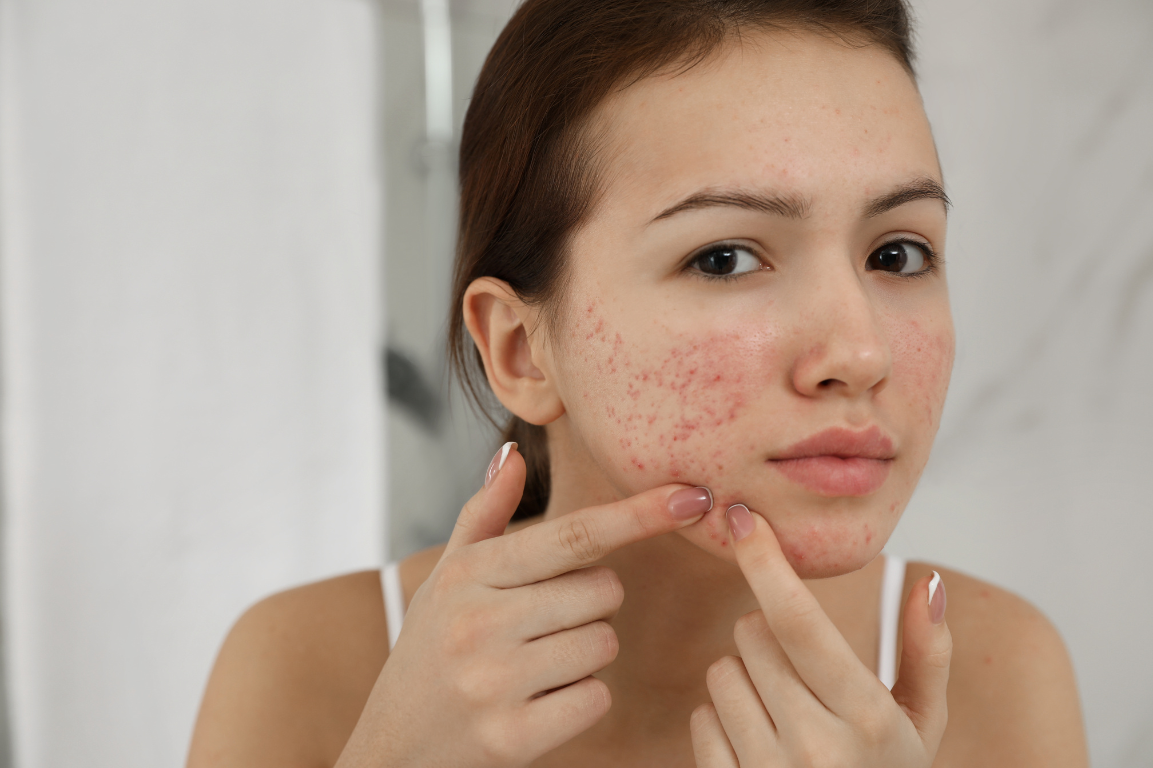
Common Mistakes That Make Pigmentation Worse
- Over-exfoliating: Using harsh scrubs or DIY acids to “rub off” the dark layer often causes inflammation, leading to more pigmentation.
- Unregulated Creams: Buying strong bleaching creams without supervision can lead to permanent skin damage or steroid-induced side effects.
- Untrained Treatments: A peel or laser done at a non-medical salon can leave burns or Post-Inflammatory Hyperpigmentation (PIH).
When It's Time to Consult a Dermatologist ?
If your pigmentation hasn’t shifted after two to three months of a consistent routine, or if the patches are deep and symmetrical (a sign of Melasma), it’s time for a professional assessment. A dermatologist can identify the depth of the pigment and choose a hyperpigmentation treatment plan safe for your specific skin tone.
You don’t need to wait until it becomes severe. Early guidance often saves time, money, and frustration.

Frequently Asked Questions
What is the most effective treatment for skin hyperpigmentation?
The most effective treatment for skin hyperpigmentation depends on the cause and severity. Mild pigmentation may respond to topical skincare, while deeper pigmentation often requires professional dermatological procedures.
What is the best hyperpigmentation treatment for the face?
The best hyperpigmentation treatment for the face depends on the cause and depth of pigmentation. Sunscreen, Vitamin C, and dermatologist-guided treatments such as chemical peels and laser therapy are commonly recommended.
Can skin hyperpigmentation be cured permanently?
Significant improvement is achievable in most cases. Complete permanent removal is rare, especially for Melasma, but with the right treatment plan and maintenance, dark spots can be reduced to the point where they’re barely visible.
Is hyperpigmentation treatment safe for dark skin tones?
Yes, when performed by a qualified professional who understands melanin-rich skin. Indian skin tones require specific approaches to avoid triggering more pigmentation from the treatment itself.
Can I continue hyperpigmentation treatment during the summer?
Yes, with diligent SPF use. Some aggressive laser treatments may be paused, but maintenance topicals and gentler procedures can continue safely.
How is Melasma different from regular dark spots?
Melasma is hormonally driven, typically appears symmetrically on the face, and is significantly harder to treat than post-acne marks or sun spots. It requires a long-term management strategy rather than a one-time fix.
If You Don’t Know Where to Start
Pigmentation can feel confusing because no two cases behave the same way. If you’ve been trying things on your own without success, getting a professional opinion is the next logical step.
At Clinic Renew Plus, we specialize in personalized hyperpigmentation treatment plans customized to your skin type. Whether you need a medical consultation or guidance on a home routine, we are here to help you achieve clearer skin.
Conclusion
Whether you are dealing with mild dark spots or looking for an advanced hyperpigmentation treatment for the face, early treatment and professional guidance can help restore an even skin tone.
Hi, this is a comment.
To get started with moderating, editing, and deleting comments, please visit the Comments screen in the dashboard.
Commenter avatars come from Gravatar.