

Dental Health Guide · Siliguri, West Bengal
Why Do Gums Bleed When Brushing? Causes, Prevention & When to See a Dentist in Siliguri
Noticing blood in the sink while brushing can be worrying. Bleeding gums are not something to ignore. They may be a sign of gum irritation or inflammation, often linked to plaque build-up. Understanding the cause can help you take the right next step for your oral health.
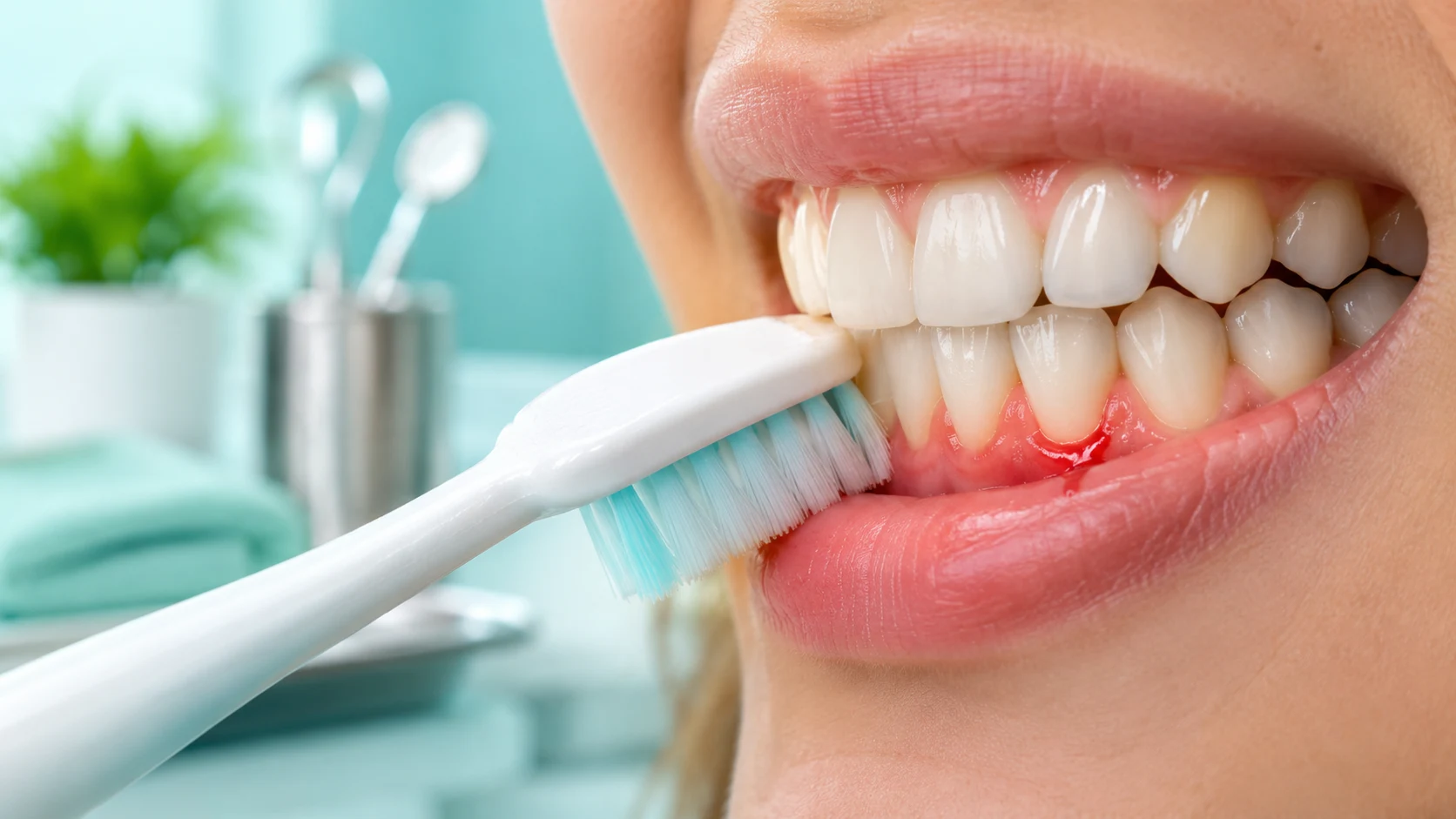
What causes gums to bleed when brushing?
The most common cause is plaque: a sticky film of bacteria that collects on teeth. If it is not removed regularly, it can irritate the gumline and contribute to gingivitis, an early form of gum disease. Plaque that hardens into tartar cannot be removed with ordinary brushing and may need professional cleaning.
Other factors can also affect gum health, including brushing too forcefully, smoking, hormonal changes such as pregnancy, and health conditions such as diabetes. Only a dental professional can assess what is causing your symptoms.
Common signs of gum irritation
- Bleeding while brushing or cleaning between teeth.
- Red, tender, puffy or swollen gums.
- Persistent bad breath or an unpleasant taste.
- Gums that appear to be pulling away from the teeth.
- Loose teeth or discomfort while chewing in more advanced cases.
These symptoms do not confirm a diagnosis on their own. A dental examination is the best way to identify the cause and decide whether treatment is needed.
How should you care for bleeding gums at home?
- Brush twice daily: Use a soft-bristled toothbrush and fluoride toothpaste. Clean gently along the gumline rather than scrubbing hard.
- Clean between teeth: Use dental floss or an appropriately sized interdental brush once a day.
- Be consistent: Do not abandon oral hygiene because you notice a little bleeding. If brushing is painful or bleeding persists, seek dental advice.
- Avoid tobacco: Smoking increases the risk of gum problems and can affect healing.
- Arrange regular check-ups: A dentist can identify plaque, tartar and gum changes that may not be easy to assess at home.
When should you visit a dentist in Siliguri?
Book a dental assessment if your gums repeatedly bleed, remain swollen or sore, or you notice ongoing bad breath. Seek prompt dental attention if you have very painful swelling, loose teeth, pus, or a lump or ulcer in your mouth. If you have facial swelling with fever or difficulty swallowing or breathing, seek urgent medical care.
A dentist can examine your gums, check for plaque and tartar, and recommend care based on your condition. Depending on the findings, this may include oral-hygiene guidance or professional cleaning. Treatment should be chosen after an examination rather than through self-medication.
Looking for dental care in Siliguri?
If you are concerned about bleeding gums or gum irritation, Clinic Renew Plus in Siliguri can be contacted to enquire about available dental consultation services. Learn more about the clinic’s dental care information or use the contact page to enquire about an appointment.
Take the next step towards healthier gums
Do not ignore recurring bleeding, swelling or gum discomfort. Arrange a dental assessment to understand what is happening and which care is appropriate.
Contact Clinic Renew PlusFrequently asked questions
1. Is it normal for gums to bleed every time I brush?
No. Repeated bleeding can indicate gum inflammation or another problem. Arrange a dental check-up to find the cause.
2. Should I stop brushing if my gums bleed?
Do not stop cleaning your teeth. Use a soft brush and gentle technique. If bleeding continues, becomes heavy or is accompanied by pain or swelling, seek dental advice.
3. Can plaque cause bleeding gums?
Yes. Plaque build-up around the gumline is a common cause of gum irritation and inflammation. Hardened tartar may require professional removal.
4. When should I see a dentist for bleeding gums in Siliguri?
Arrange an assessment if bleeding is repeated or you have swollen, painful gums, persistent bad breath or loose teeth. Seek urgent care for severe swelling or other concerning symptoms.
Medical note: This article is for general oral-health education and is not a diagnosis or a substitute for personalised dental advice. Please consult a qualified dental professional about your symptoms. Have the article reviewed by the clinic’s treating dentist before publication.