

Understanding Maxillofacial Surgery: What You Need to Know
Maxillofacial surgery is a specialized branch of medicine that focuses on treating conditions affecting the face, jaw, mouth, and neck. It combines medical precision with surgical expertise to restore function, appearance, and overall quality of life. Whether caused by birth conditions, trauma, disease, or structural problems, maxillofacial issues often require advanced care that goes beyond routine dental treatment.
This guide explains what maxillofacial surgery involves, when it is needed, the procedures commonly performed, and what patients can expect before and after treatment.
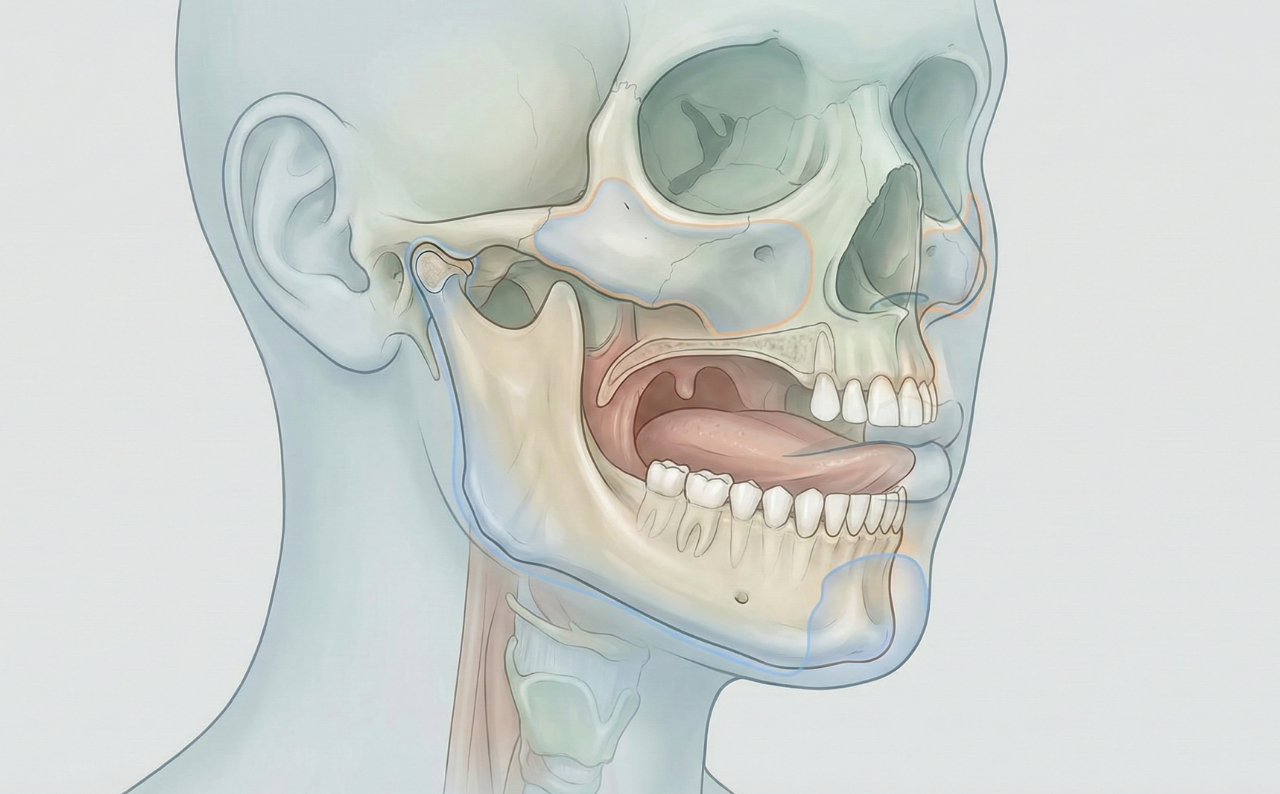
What Is Maxillofacial Surgery?
Maxillofacial surgery deals with the diagnosis and surgical treatment of conditions involving the facial bones, jaw, oral cavity, and surrounding structures. It bridges dentistry and medicine, addressing both functional problems—such as chewing, speaking, and breathing—and aesthetic concerns related to facial balance and symmetry.
Because the face plays a vital role in daily life and personal identity, maxillofacial surgery is not just about correcting physical problems. It often helps patients regain confidence, comfort, and normal function.
Why Maxillofacial Surgery Is Important
The importance of maxillofacial surgery lies in its ability to treat complex conditions that cannot be managed through medication or routine dental care alone.
One major area is congenital conditions, such as cleft lip and palate or jaw deformities. These conditions can interfere with eating, speech, and breathing from an early age. Surgical correction helps restore normal development and function.
Another critical area is facial trauma. Road accidents, sports injuries, and falls can cause fractures of the jaw, cheekbones, or facial bones. Prompt maxillofacial surgical care is essential to restore alignment, prevent long-term complications, and achieve proper healing.
Maxillofacial surgeons also play a key role in treating oral cancers and tumors. These conditions often require complex surgical removal followed by reconstruction to maintain appearance and function. A carefully planned surgical approach can significantly improve outcomes and quality of life.
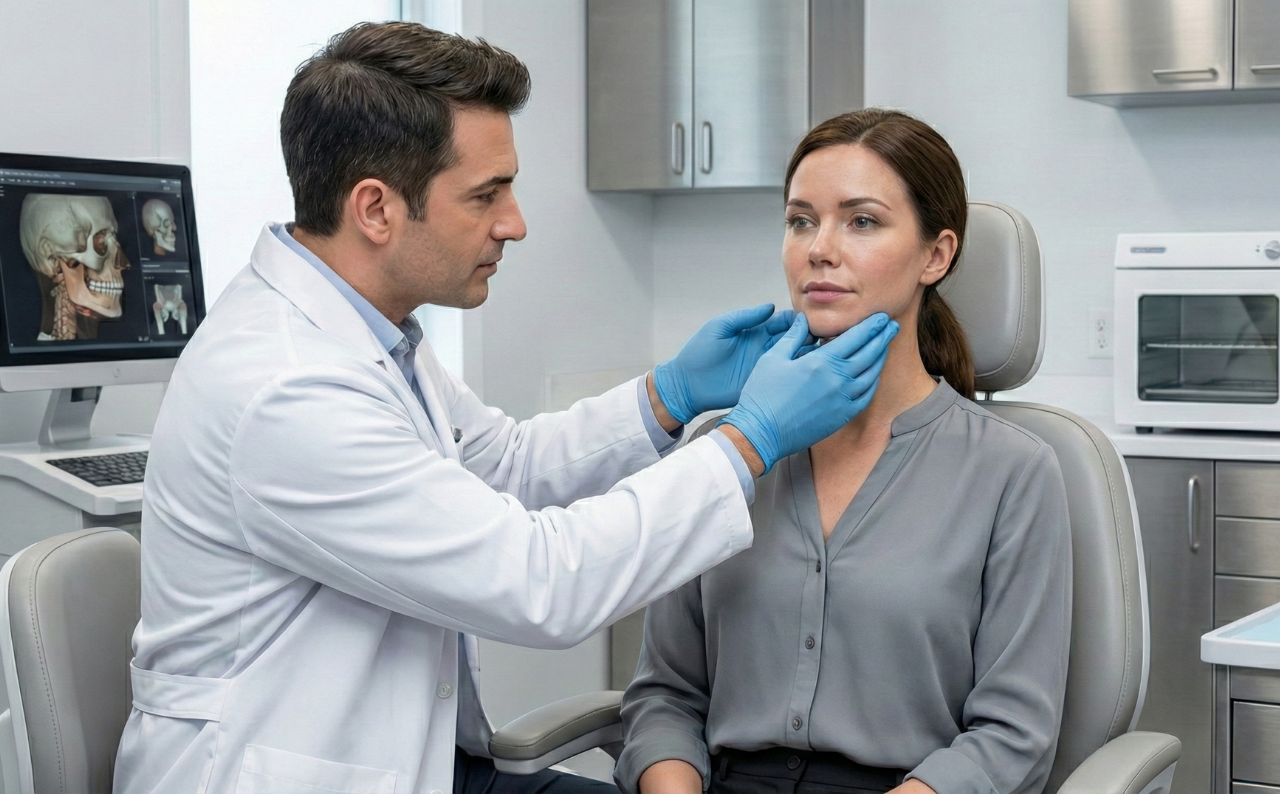
Common Conditions Treated by Maxillofacial Surgeons
Maxillofacial surgery covers a wide range of conditions, including:
Jaw and Bite Problems – Misaligned jaws can cause difficulty in chewing, speech issues, facial imbalance, and chronic discomfort. In some cases, surgery is required to reposition the jaw for proper function.
TMJ Disorders – Temporomandibular joint (TMJ) disorders can lead to jaw pain, headaches, clicking sounds, and limited mouth opening. When conservative treatments fail, surgical intervention may be considered.
Facial Injuries and Fractures – Facial fractures require precise realignment to restore both function and appearance. Maxillofacial surgeons are trained to manage these injuries with minimal scarring and long-term complications.
Oral and Facial Tumors – Benign and malignant growths in the mouth, jaw, or face often require surgical removal. Reconstruction is sometimes necessary to restore normal structure and function.
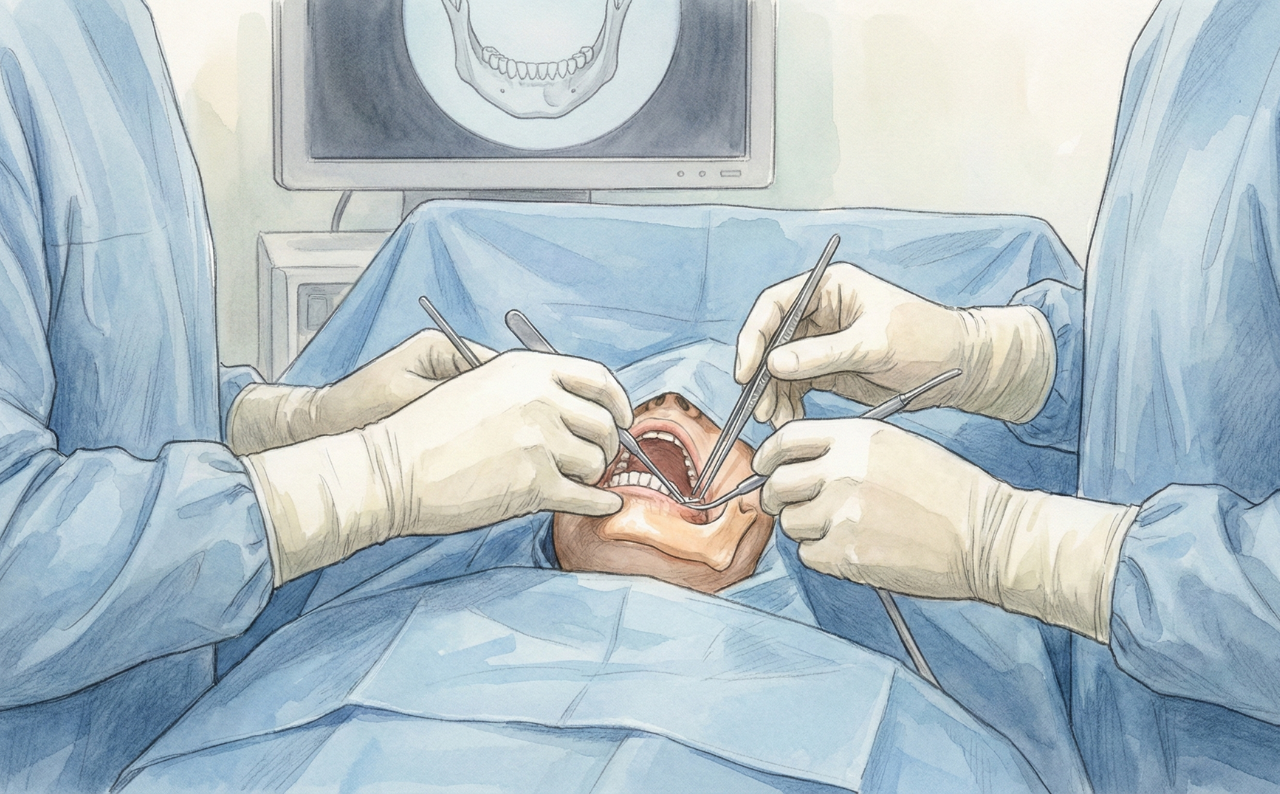
Common Maxillofacial Surgical Procedures
Maxillofacial surgical procedures are carefully planned and customized for each patient. Some of the most common procedures include:
Orthognathic (Jaw Correction) Surgery – This procedure corrects irregularities in jaw alignment. It improves chewing, speech, breathing, and facial harmony. Orthognathic surgery is often planned in coordination with orthodontic treatment.
Facial Fracture Repair – Fractured facial bones are repositioned and stabilized using plates and screws. This helps restore the natural shape of the face and ensures proper healing.
Reconstructive Surgery – Reconstructive maxillofacial surgery addresses defects caused by trauma, cancer, or congenital conditions. Techniques such as bone grafting and tissue reconstruction are used to achieve functional and aesthetic restoration.
Role of Technology in Maxillofacial Surgery
Advances in technology have transformed maxillofacial surgery, making procedures safer and more precise.
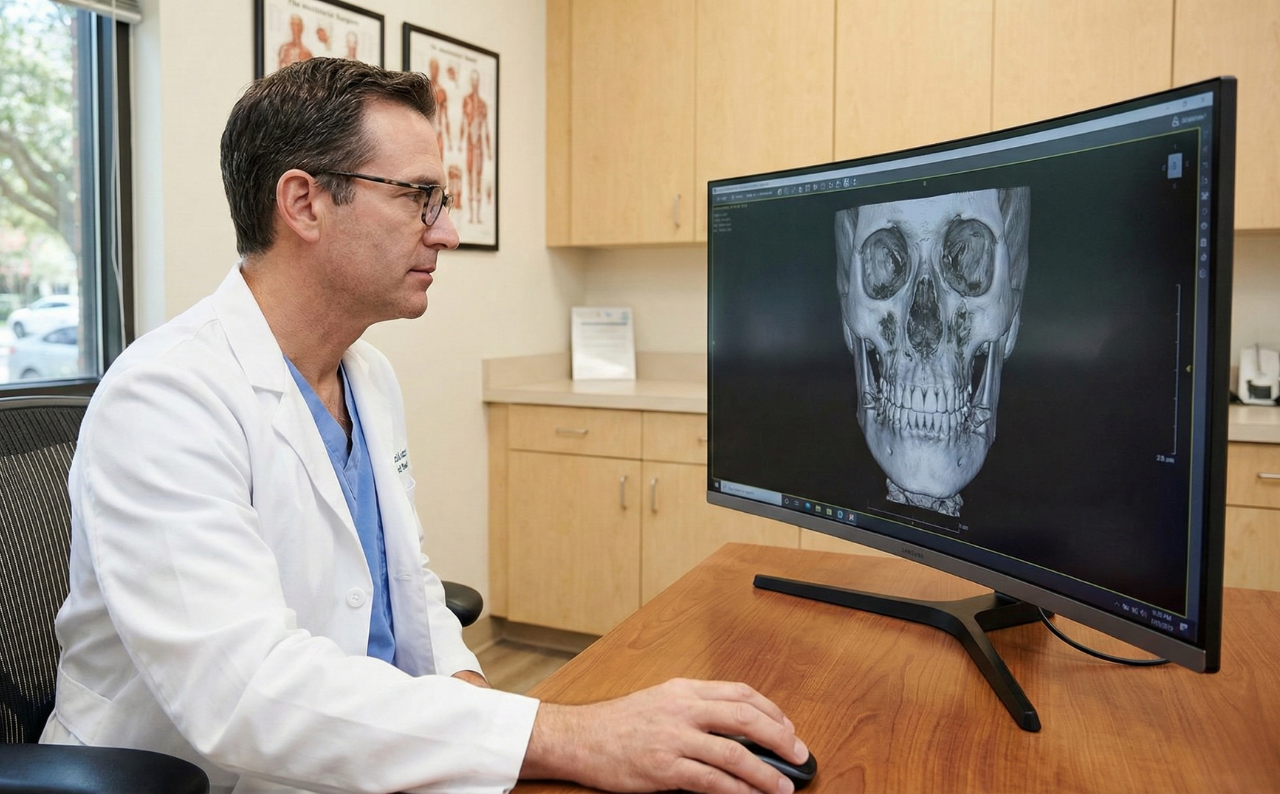
3D imaging and digital planning allow surgeons to study facial anatomy in detail before surgery. This improves accuracy and reduces surgical risks.
Computer-aided design (CAD) helps in creating surgical guides and customized implants, leading to better outcomes.
Modern fixation systems and biocompatible materials promote faster healing and improved stability. These advancements have significantly improved patient recovery and long-term results.
Recovery and Aftercare
Recovery after maxillofacial surgery depends on the type and extent of the procedure. Immediate post-operative care focuses on pain management, infection prevention, and swelling control.
Patients are usually advised to:
Follow a soft or liquid diet initially
Maintain strict oral hygiene
Avoid strenuous physical activity
Take prescribed medications as directed
Regular follow-up visits are essential to monitor healing and address any concerns. Recovery is not only physical but emotional support and reassurance also play an important role, especially for patients undergoing facial procedures.
Risks and Possible Complications
Like all surgical procedures, maxillofacial surgery carries some risks. These may include infection, bleeding, swelling, temporary nerve irritation, or scarring. In rare cases, complications such as prolonged numbness or delayed healing may occur.
An experienced maxillofacial surgeon minimizes these risks through careful planning, precise surgical technique, and proper post-operative care. Patients should always discuss potential risks and expectations before undergoing surgery.

When Should You See a Maxillofacial Surgeon?
You may need to consult a maxillofacial surgeon if you experience:
Persistent jaw pain or difficulty chewing
Facial trauma or fractures
Jaw misalignment affecting function or appearance
Oral growths or unexplained swelling
Congenital facial or jaw abnormalities
Early evaluation often leads to simpler treatment and better outcomes.
Choosing the Right Maxillofacial Surgeon
Selecting the right surgeon is a crucial step. Look for:
Proper qualifications and specialized training
Experience with similar procedures
Clear communication and transparency
Willingness to explain treatment options and risks
A good surgeon prioritizes patient comfort, informed decision-making, and long-term results.